Today we explored our students PAT data with a fine tooth comb to identify where their next learning steps are in reading. We explored all the different ways you can view the students data individually or as year groups. We found that many students need to work on making local inferences when reading poems in particular. This makes me think about my own teaching, where poems are not a huge focus, so this is something that I will incorporate into my text sets in the future.
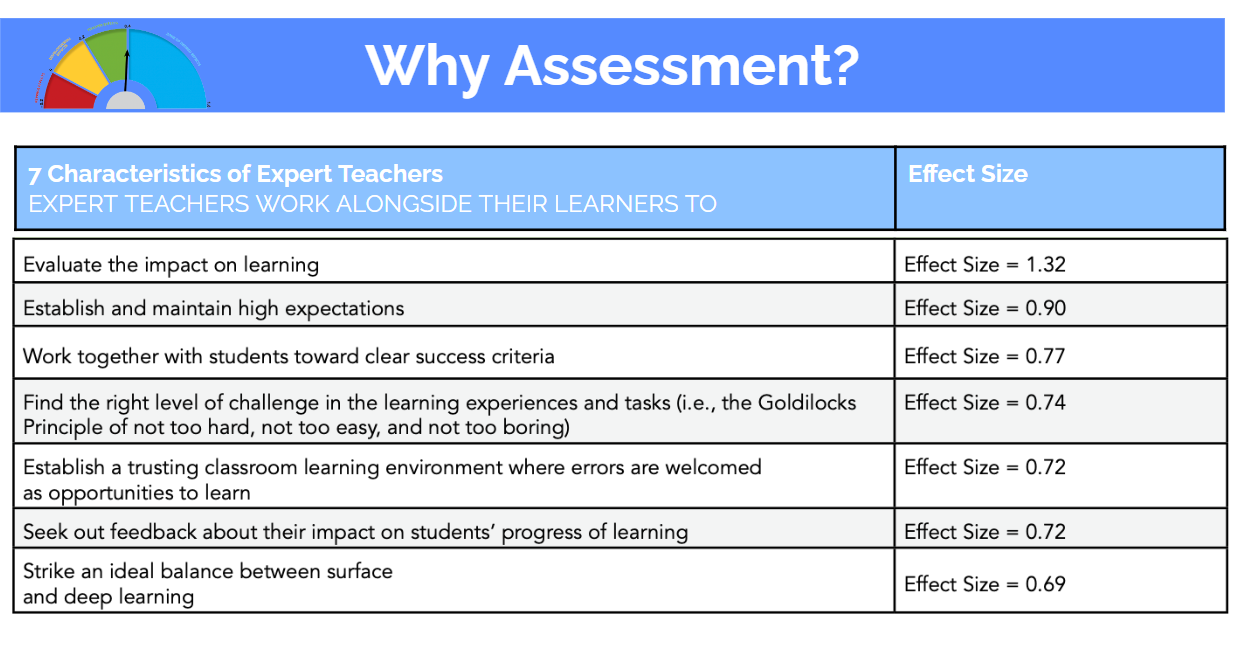
We looked at all the reasons why we asses, whether it be formative or summative assessment. Looking at the table below we can see the different effects and importance of why we assess.
I really liked the teacher workbook, as it is one place where you can keep all of your reading data and information about your learners. I plan in a similar format but using Google Slides, so this could be a great adaptation to my reading planning and monitoring of students. It is all in one document which make it a lot easier to access and switch between reading groups and student information.
I thought giving the students a keyword to search for related texts on Epic was a great way for them to explore texts that are based on the topic, but still giving the students choice. I want to improve my taskboards by adding improved follow up activities and must do or can do activities related to the learning intention.
Some really good examples of making inferences were shared with us, that allow students to have multiple opportunities to practice and meet their learning intention independently, after teacher instruction. Getting the students to explain their choice gets them thinking about why they have made their decision and forced them to think carefully. These a fairy simple activities that could be easily changed and adapted for my future teaching.

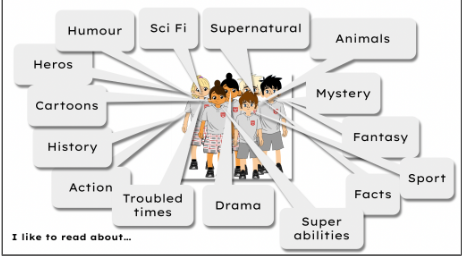
Reflecting on the reading survey data there are 3 students who identified that they did not really like reading. A large portion of the class like reading books in their own time with the exception of around 7. The library use was a bit more of a surprise as about half the class do not issue library books. 85% of the class are currently reading with the exception of 3 boys and 1 girl. Four students generally have low scores on the survey (2s). A lot of students like a wide range of books. A lot of the books read by students are narratives.
Building engagement with the students in reading is huge and after setting the rat traps in the Rerenga Awa, we read texts about it and one student showed increased engagement and was quite interested in this. Using more experiences to help students in reading - where they do not realise they are reading.